Diesel turbo cleaners are designed to dissolve carbon, gum, and varnish that accumulate in turbochargers, intake systems, and EGR/DOC components. This guide highlights five leading products to help restore turbo efficiency, throttle response, and overall engine performance without dismantling the system. Each option targets carbon buildup, soot, and deposits that hamper airflow and combustion. The recommendations below include foaming cleaners, intake system formulas, and injector/turbo-focused solutions to cover diesel and mixed-technology engines.
Summary of chosen products
| Product | Brand | Primary Focus | Volume |
|---|---|---|---|
| Wynn’s Turbo Cleaner | Wynn’s | Turbo geometry cleaning, carbon and varnish reduction | 200 ml |
| Wynn’s Diesel Turbo Cleaner | Wynn’s | Diesel turbo carbon removal, EGR/DOC cleaning | 500 ml |
| LIQUI Moly Pro-Line Diesel Intake System Cleaner | Liqui Moly | Intake system cleaning for diesel engines | 400 ml |
| JLM Diesel Turbo Cleaner | JLM | Reduce soot, restore engine power | 500 ml |
| Archoil AR6400-D | Archoil | Cleans injectors, turbo, DPF & EGR | 12 oz bottle |
Wynn’s Turbo Cleaner — Safe for Diesel & Petrol Engines

Wynn’s Turbo Cleaner is designed to target turbocharger deposits without requiring dismantling. It penetrates the turbo system to reach hard-to-reach surfaces where gum, carbon, and varnish accumulate. The formula generates an active foam on application, extending contact time for deeper cleaning. By dissolving deposits that hinder airflow, it aims to restore turbo geometry and improve air/fuel dynamics. The product claims compatibility with DPF and EGR systems, which is important for modern diesel and mixed-fuel vehicles. This solution supports the restoration of original turbo performance and improved throttle response at lower RPMs.
Key features include rapid action on contact, dense foaming for lasting cleaning, and a focus on restoring airflow. While performance benefits can vary by vehicle, the cleaner is positioned as a straightforward, non-dismantling option for turbocharger maintenance. It is suitable for owners seeking a targeted treatment that addresses built-up contaminants in the turbo and neighboring components without extensive disassembly.
Wynn’s Diesel Turbo Cleaner

This Wynn’s formula focuses on diesel turbo systems, specifically removing carbon build-up and freeing sticking vanes without disassembly. It also aims to clean the Diesel Oxidation Catalyst (DOC) and EGR valve, helping reduce soot-related restrictions and maintain cleaner exhaust streams. By addressing multiple components in a single cleaning cycle, the product seeks to restore engine power, throttle response, and overall diesel efficiency. The cleaner is marketed to support improved acceleration and smoother engine operation when carbon deposits become limiting factors.
The product’s emphasis on DOC and EGR cleaning aligns with emissions-focused maintenance, potentially helping systems stay within desired operating ranges. Vehicle owners may experience noticeable improvements in turbo responsiveness and smoother idle once deposits are reduced. The format is designed for quick treatment intervals, making it a practical option for periodic diesel maintenance.
LIQUI Moly Pro-Line Diesel Intake System Cleaner

Liqui Moly Pro-Line Diesel Intake System Cleaner is designed to clean the entire diesel intake system. It focuses on ensuring moving parts maintain performance while reducing fuel consumption, thereby increasing diesel reliability. The product is positioned to clean both the intake manifold and connected components, which can reduce carbon buildup that leads to rough idle, power loss, and decreased efficiency. This option is suitable for users who want a preventative measure to maintain clean intake pathways and sustain optimal combustion quality over time.
The cleaner is described as a workshop-grade product, signaling a professional-grade formulation intended for thorough intake system cleansing. While it may require multiple applications for heavier deposits, the intended result is improved fuel economy and more reliable engine operation by preserving airflow through the intake tract.
JLM Diesel Turbo Cleaner
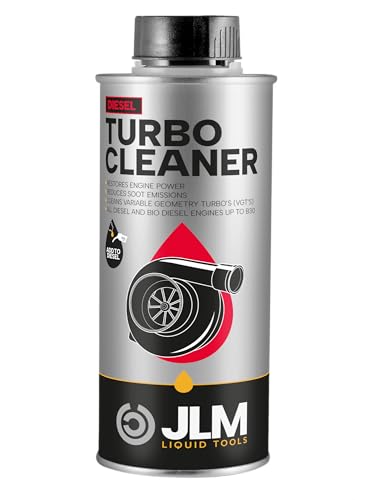
JLM Diesel Turbo Cleaner is marketed to reduce soot emissions and restore engine power. The product emphasizes turbo system cleaning with a focus on removing carbon build-up that constrains performance. As a diesel-specific cleaner, it targets deposits that can dull throttle response and overall acceleration. This option is suitable for drivers seeking a straightforward treatment to help restore power output and clean air pathways within the turbocharged system.
With a 500 ml bottle, this cleaner provides a balanced volume for repeated use across maintenance cycles. The formulation is intended to work with diesel engines that experience carbon accumulation in turbo components, helping to maintain performance and efficiency between more intensive service intervals.
Archoil AR6400-D Diesel Fuel System Cleaner

Archoil AR6400-D is a comprehensive diesel fuel system cleaner designed to clean injectors, turbo, DPF, and EGR systems. The formula quickly cleans diesel injectors and turbo components while helping to remove blockages in DPFs and EGRs. The product is promoted as restoring performance, improving fuel economy, and delivering smoother idling. The single-bottle treatment is designed to service diesel engines across a broad range of applications, making it a versatile option for owners seeking a multi-system cleaner. The label notes that one bottle treats up to 40 gallons of diesel, with recommended use every 5,000 miles for ongoing maintenance.
AR6400-D aims to deliver a combination of power restoration and emissions-related benefits by keeping critical fuel, turbo, and exhaust subsystems free of buildup. For vehicles experiencing carbon deposits and diminished idle quality, AR6400-D provides a cohesive approach to maintenance that can complement turbo cleaning efforts.
Buying Guide: What to Consider When Choosing a Diesel Turbo Cleaner
- Targeted cleaning focus: Some products concentrate on the turbocharger (geometry, vanes), while others address the intake system, EGR, DOC, or injectors. Choose based on the component(s) most affected in your vehicle.
- Compatibility with emissions systems: If your vehicle uses a DPF, DOC, or EGR, pick formulas that advertise compatibility or direct cleaning of those systems to avoid unintended interactions.
- Volume and treatment interval: Larger bottles are better for regular maintenance or multiple treatments. Consider whether you need a single-use treatment or a product for ongoing maintenance every 5,000–7,500 miles (as recommended by some manufacturers).
- Delivery method: Foaming cleaners adhere to surfaces and extend contact time, while liquids flow through the system. Foam can be beneficial for thorough coating, but ensure it suits your turbo layout.
- Engine type and year: Diesel-specific cleaners may outperform general-purpose formulas on modern turbo diesel engines. If you have a mix of petrol and diesel, look for products explicitly labeled for diesel performance.
- Application frequency: For high-mileage vehicles with carbon buildup, a more thorough or multi-step approach (intake cleaner plus fuel-system cleaner) can be effective. Follow manufacturer directions for dosing and usage intervals.
- Evidence and compatibility: Look for products with clearly stated benefits—such as restored power, improved throttle response, smoother idle, and reduced soot emissions—supported by testing or recognized formulations.
- Professional vs. consumer-grade: Workshop-grade cleaners may offer stronger detergency but require careful use. Consumer-friendly formulas can still deliver meaningful gains with proper application.
When selecting a diesel turbo cleaner, consider your vehicle’s specific symptoms—loss of power, sluggish throttle, rough idling, or increased soot—and align the cleaner’s focus with the underlying cause. For a balanced approach, combine a turbo/engine-focused cleaner with an intake system or injector cleaner to address multi-point buildup across the diesel path. Always follow label directions and observe any required safety precautions.