Choosing the right 12V cigarette-lighter powered cooling or charging solution can make long drives more comfortable and productive. This guide highlights five popular options that convert or cool using a vehicle’s 12V lighter socket, delivering airflow, power for laptops and devices, and USB charging. Each picks balances performance, safety features, and portability for cars, SUVs, trucks, and RVs. Read on to compare capabilities, then use the Buying Guide to select the best fit for your vehicle and needs.
| Product | Power/Output | Key Benefit |
|---|---|---|
| Portable 3-Head Car Cooling Fan | 3 x 360° rotating heads | Strong, multi-angle airflow |
| 200W Car Power Inverter PiSFAU | AC 110V outlets + 4 USB ports | Laptop/tablet charging on the go |
| 150W Power Inverter PiSFAU | 2 USB ports + 110V | Compact power for small devices |
| ALLWEI 300W Inverter | 2 AC outlets + PD USB-C + USB-A | Fast charging and multiple devices |
| BESTEK 300W Inverter | 2 AC outlets + 2 USB ports | Reliable car power for devices |
id=”product-section” style=”display:none;”>Product Sections
Portable 3-Head Car Cooling Fan

Designed forVehicles requiring rapid cabin cooling, this portable 3-head car cooling fan plugs into the cigarette lighter and delivers powerful airflow. With three independent heads, the fan creates a broad sweep of air, helping to quickly reduce seat and interior temperatures. A 360° rotation feature enables multi-angle airflow, so passengers in different seating positions can feel the cool breeze. Despite its high airflow, the device uses a quiet motor to minimize noise, ensuring a comfortable ride without distraction. Its compact form makes it easy to stash under a seat or in a glove box when not in use. This unit is suitable for cars, SUVs, RVs, and light trucks where quick cooling matters on hot days.
Key Features
- Triple-head design for rapid, broad airflow
- 360° rotation for adjustable directions
- Low-noise silent motor technology
Ideal for drivers seeking a low-cost, plug-in cooling option that works without accessing the vehicle’s HVAC system. It complements existing climate controls and is especially useful in vehicles without strong factory air conditioning or during brief stops in extreme heat.
200W Car Power Inverter PiSFAU DC 12V to 110V
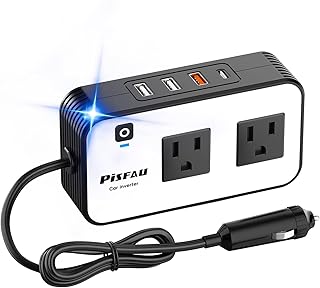
This car power inverter converts 12V DC into 110V AC and includes two U.S. standard outlets plus four USB ports, providing a versatile charging and power solution for laptops, tablets, phones, and other devices while on the road. The unit emphasizes quiet operation and high efficiency, using heat-dissipation technology to minimize noise and energy waste. Its compact, lightweight design makes it easy to carry and place in the vehicle’s console or back seat. The inverter is intended for travelers who need reliable AC power for multiple devices during road trips, camping, or work away from home.
Key Features
- 2 AC outlets and 4 USB ports
- Quiet, efficient operation with heat dissipation
- Compact and portable for easy storage
Safety and reliability are supported by built-in protections and a straightforward plug-in design, allowing users to power essential electronics when outlets at the destination are unavailable.
150W Power Inverter 12V DC to 110V AC
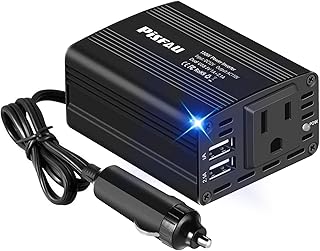
Offering 150 watts of continuous DC-to-AC power with a 300-watt peak, this inverter is built for everyday devices such as laptops, CPAP machines, tablets, and small TVs. It includes two USB ports for convenient USB charging and a fast charger option for quick top-ups. A dual protection system with a smart chip and a built-in fuse helps prevent overheating, undervoltage, and overcurrent scenarios, promoting safer operation during long drives. The device is compact enough to tuck beneath seats or in a center console, making it suitable for commuters and travelers who need dependable on-road power for essential electronics.
Key Features
- 150W continuous / 300W peak power
- Two USB ports plus 110V outlet
- Smart chip with built-in fuse for protection
Users should consider their device wattage and peak draw when planning to run multiple devices simultaneously to ensure the inverter remains within its rated capabilities.
ALLWEI 300W Power Inverter DC 12V to 110V AC

The ALLWEI 300W car inverter is designed to power multiple devices on road trips, camping, or daily commutes. It combines a cigarette-lighter plug with a robust aluminum housing for durable protection and efficient heat dissipation. The device features two AC outlets and a USB-C port (27W max) along with a USB-A port (18W max), enabling fast charging for phones, tablets, laptops, and other USB devices. It includes advanced protective features that guard against overvoltage, overcurrent, and overheating. This inverter is suitable for users who require higher-capacity power in a compact form factor with multiple charging options.
Key Features
- 300W continuous power with durable metal housing
- PD USB-C 27W and USB-A 18W fast charging
- Two AC outlets for laptops, TVs, and devices
When using higher-wattage devices, monitor total draw to avoid activating protective shutoffs. The unit’s rugged build makes it a practical choice for RVs and long road trips.
BESTEK 300W Inverter DC 12V to 110V

BESTEK offers a proven 300W car power inverter with dual USB ports and two 110V outlets, designed for use on road trips and daily commutes. The aluminum housing provides robust physical protection and efficient heat dissipation, helping maintain performance during longer uses. The inverter is designed to be compatible with a broad range of vehicles and devices, from laptops to small appliances, making it a versatile option for travelers who need reliable AC power away from home. Its compact form and car cigarette-lighter plug enable quick setups without tools.
Key Features
- 300W continuous and 700W peak power
- Two AC outlets plus two USB ports
- Aluminum housing for durability and heat management
Potential users should plan device wattage and peak power requirements to optimize performance and prevent triggering built-in safety protections.
Buying Guide: Key Purchase Considerations
- Power needs and outlets: Determine whether you mainly need AC outlets for laptops and small appliances or USB charging for phones and tablets. For multiple devices, choose models with multiple USB ports and at least one or two 110V outlets.
- Safety features: Look for overvoltage, overcurrent, short-circuit, and overheating protections. Automatic shutoffs and built-in fuses help prevent damage to devices and the vehicle.
- Heat management: Inverters generate heat. Models with metal housings or improved heat dissipation perform better during extended use and reduce noise from cooling fans.
- Portability and size: Consider the inverter’s footprint, weight, and packaging. A compact design is easier to store in the glove box or center console.
- Quality and compatibility: Reputable brands with robust customer support and clear compatibility information reduce the risk of device incompatibilities and warranty issues.
- Noise and efficiency: Quieter operation and efficient conversion save fuel and reduce cabin noise, especially on long trips.
- Device wattage planning: Check the continuous wattage rating versus peak usage of devices to avoid overloading the inverter, particularly when running laptops or CPAP machines.
- Vehicle electrical considerations: In some vehicles, high-power inverters may draw substantial current from the battery. For extended use, ensure the vehicle is running or consider battery-maintenance options.
These considerations help identify whether a compact, lower-w wattage inverter meets your needs or if a higher-capacity model with multiple USB ports and dual AC outlets is more appropriate. When selecting, assess typical use cases—charging mobile devices, powering laptops, running small appliances, or a combination of these—to choose the best balance of power, safety, and portability.